About the Community
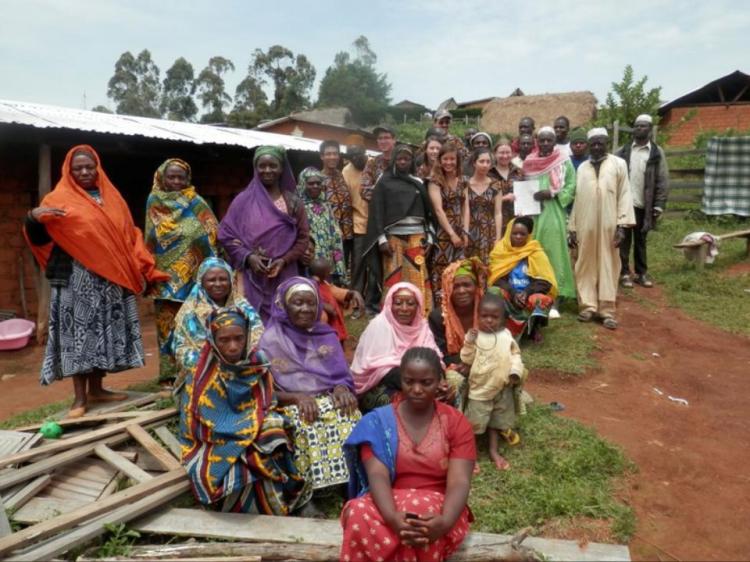
Ntisaw is a rural village located in Cameroon, West Africa, with a population of approximately 1500 people. The villagers in Ntisaw live in mud brick houses with tin or thatch roofs. There are several streams that originate and run throughout the village and animal grazing lands, and these act as the source of water for drinking, cooking, and cleaning.
However, fecal contamination of these streams – as revealed by water quality testing – have led to serious health issues in the population, including frequent cases of stomachaches and diarrhea. Moreover, the community lacked clean water during the dry season that stretches from November to March.
Project Overview & Results
Since Fall 2008, the purpose of the Ntisaw Village Water Project (NVWP) has been to provide clean drinking water to Ntisaw, Cameroon.
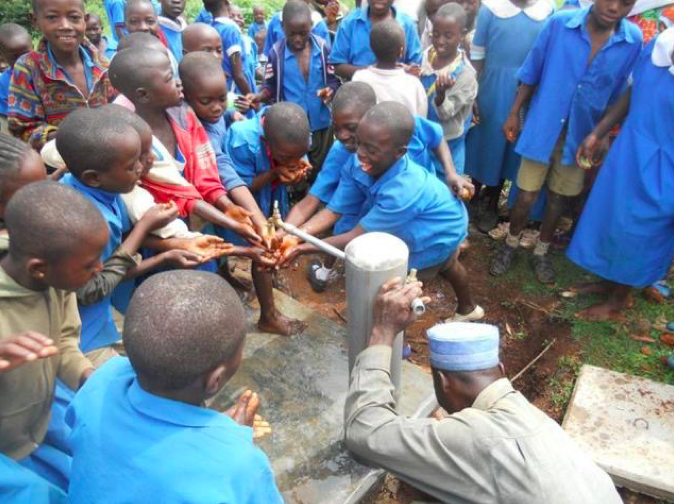
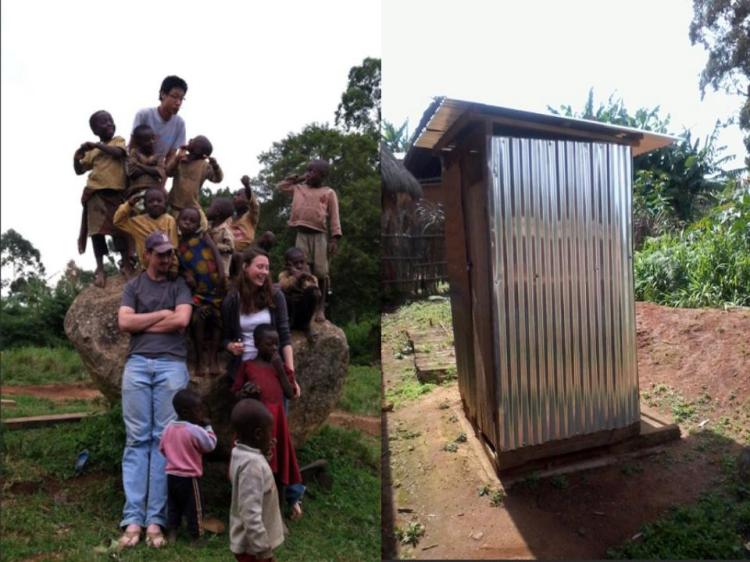
In 2011, the project team completed implementation, which consisted of the installation of spring boxes and water taps in the densely populated areas of the village, which would provide enough water to the community members if rationed effectively. In 2014, our chapter implemented another water system as well as ventilated public latrines to supplement the amount of clean water flowing through the existing water distribution system and improve sanitation in the village.
Throughout this process, our team also made sure that the community had the information and skills to address any technical issues from the system on their own after the closeout. Technical skills were taught to the appointed maintenance team, who monitor the system each week, for long term maintenance and repairs. A tax system was also established to pay the maintenance team for their work and for supply costs of the repairs. In order to keep the tax system running smoothly, people who were well-respected by the villagers were appointed to collect the taxes each month. Additionally, we met with local schools to teach them about health and hygiene, specifically about the role of bacteria and how they can be harmful.
In summary, after working in the community for several years, our chapter was able to provide the people of Ntisaw access to clean water, proper sanitation, and better fecal waste management. Overall, the project was successful in fulfilling its purpose of enhancing disease prevention through better water management.
Gallery
Last updated:
 Engineers Without Borders - UIUC